Service
Commercial Gutters Service
Large profile systems, outlets and drainage for commercial roofs and buildings.
See prices and detailsPart gutter, part roof structure. These wide rectangular troughs hide inside the roof edge of older homes and run large across commercial roofs, and they fail in ways hanging gutters never do.
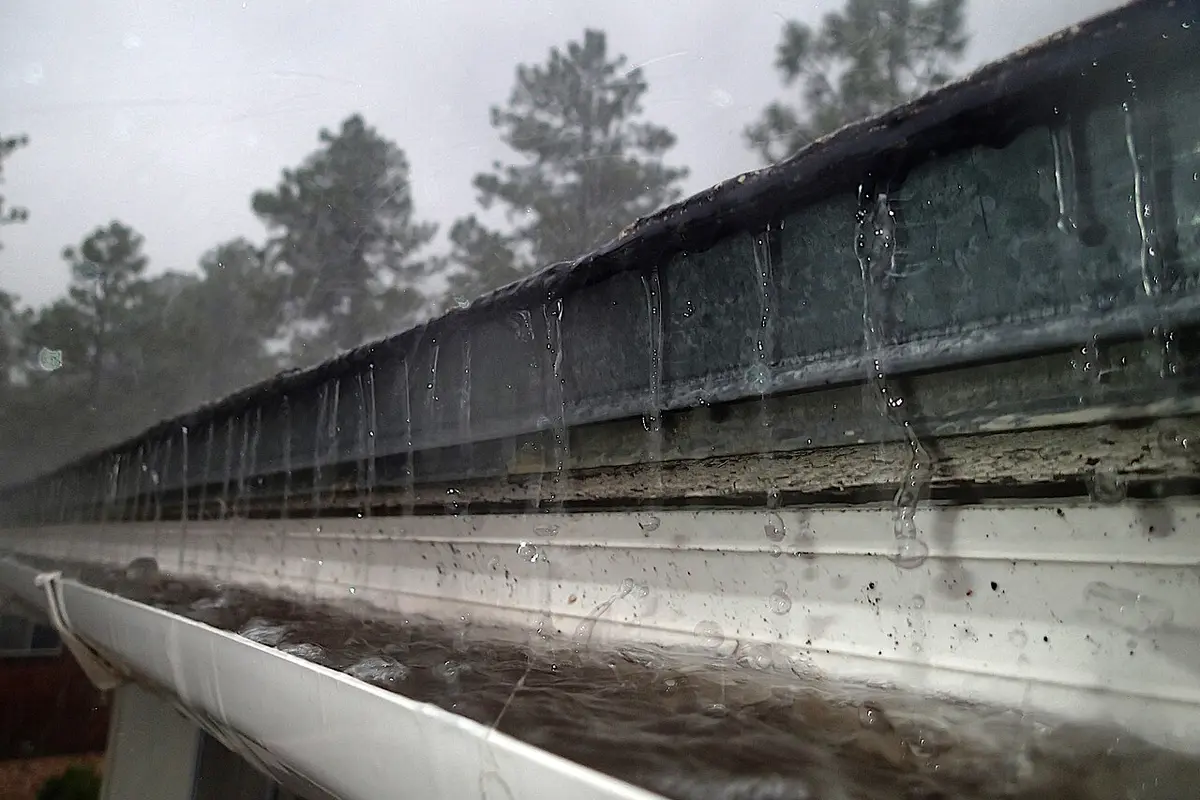
Photo: 2015-365-185 Gutter Rain Dance (19422570802) by cogdogblog, via Wikimedia Commons, CC BY 2.0.
Most gutters hang on the face of a building where you can see them. Box gutters do the opposite: they are wide rectangular troughs built into the roof edge itself, hidden behind the cornice on older homes or run in large sizes across the edges of commercial roofs. Because the trough is part of the structure, a failure leaks into the building, not down its outside wall, and that one fact shapes everything about owning them.
Box gutters are rectangular troughs, wider and deeper than hanging gutters, either built into the roof edge of older homes behind the cornice or fitted in large metal profiles on commercial buildings. They carry big roof volumes well, need a sound lining and clear outlets, and cost more to repair than any hanging system.
The built in form starts with carpentry, not metal. A wooden trough is framed into the eave, sloping gently toward its outlets, then lined with sheet metal that is folded and soldered or seamed into one waterproof tray. The roof covering runs into the top edge of the trough, the cornice and fascia hide it from the street, and downspouts connect at outlets cut through the bottom of the lining. Done well, the whole system is invisible, which was the point on a formal brick home in 1890 and still is on a restored one today.
The commercial form is a cousin rather than a twin. Long runs of heavy gauge metal in a box profile, often 7 inches and up, are formed or fabricated for warehouses, schools and retail roofs, sometimes as part of the edge metal itself. The shared traits are the rectangular section, the high capacity, and the dependence on linings, seams and outlets doing their jobs out of sight.
Thousands of older American homes carry built in troughs, and some cities are known for them: Cincinnati and Louisville, with their deep stock of 19th century brick homes, both have whole streets where box gutters are simply how houses were built. Owners there learn the local truth early. The system works for a century when the lining is sound, and becomes the most expensive line on the house when the lining fails.
Care is specific. Keep outlets clear, because a built in trough that ponds water holds it against seams and timber. Watch the lining for splits along folds and solder joints, which open as metal expands and contracts over the years. Keep paint sound on any coated lining. And never let a roofer bury the trough under new roofing without a plan for drainage, a mistake that turns a repairable system into a hidden reservoir inside the eave.
Repair sorts into three levels. Seal and coat work handles small seam splits and tired surfaces: clean the trough to bare sound metal, seal the joints, and coat the lining as one skin. Relining replaces the metal tray inside the existing wooden trough, keeping the historic form while renewing the waterproofing, and it is the standard fix when splits spread beyond spot repair. Rebuilding the trough carpentry is the deep job, needed when ponded water has rotted the timber itself.
For building managers weighing this work against other roof spending, our commercial gutters service page covers inspection, lining and outlet work for larger roofs. Whoever does the job, insist on photographs of the trough interior before and after. With a system you cannot see from the ground, photos are the only honest proof of what was found and what was done.
Honest ranges are harder here than for hanging work, because no two troughs match. Published ranges for standard installation and replacement, $12 to $25 per foot installed or $2,200 to $5,000 per home, describe ordinary hanging systems, and built in or large commercial work normally prices above them once lining metal, carpentry and access are counted. Repair of a short failed section can be modest. A full reline in copper on a long historic eave is a serious project, and any quote that pretends otherwise should worry you.
So lean on the process instead of a range. A published figure is a guide, and the actual price for your building is decided after measuring and opening up the trough, and given as an itemized written quote fixed before work starts. The items to see listed are lining metal and gauge, linear feet, outlet work, timber repair by the foot if needed, and how the crew will reach the eave. Vague lump sums are how trough jobs grow mid stream.
Box gutters reward owners who respect what they are: not an accessory bolted to the house, but a working part of the roof. Give the lining and outlets steady attention and the system quietly carries a big roof for generations. Neglect it, and it fails in the one direction a gutter should never fail, inward.
Large profile systems, outlets and drainage for commercial roofs and buildings.
See prices and detailsEvery common profile and material compared, so you can place this shape in context.
Read the guideThe smooth half circle profile: where it shines, what it costs, where it struggles.
Read the guideSteel, bronze, wood and other metals compared for strength, rust and service life.
Read the guideBrowse every guide on the Gutter Cleaning HQ blog, grouped by topic.
Sometimes, and owners ask often because built in work is costly to rebuild. A hanging channel can be fitted below the old trough if the roof edge and fascia allow it, and the old lining is sealed and retired. On protected historic buildings the original form usually has to stay, so check local rules before planning a swap.
Copper and stainless steel are the long life linings, soldered or welded at the seams. Painted and coated steel linings cost less and are common on commercial work. Whatever the metal, the lining must be formed to allow movement with temperature, with expansion joints on long runs, or seams will crack as seasons change.
Twice a year is the sensible rhythm, spring and late fall, plus a check after any major storm. Large flat roof outlets plug with leaves and roofing grit faster than house gutters do, and a plugged outlet on a big roof ponds a great deal of water. Water weighs about 8.3 pounds per gallon, so ponding gets heavy fast.
Because the trough sits inside the roof structure, a failed seam or split lining drips into the wall or ceiling space instead of down the outside wall. Stains at the top of an outside wall, peeling paint under the eave and damp patches in upper rooms are the classic early warnings to act on.
Built in and commercial work needs a crew that does it weekly, not yearly. We inspect, photograph and quote the repair in writing.
Call +1 (888) 295-0648