Service
Gutter Cleaning Service
See what a cleaning visit includes, from downspout flushing to before and after photos.
See prices and detailsTwice a year is the rule most homes can trust, but your trees get a vote. This guide sets out the spring and late fall rhythm, the homes that need a third visit, and the few that can safely stretch to one.
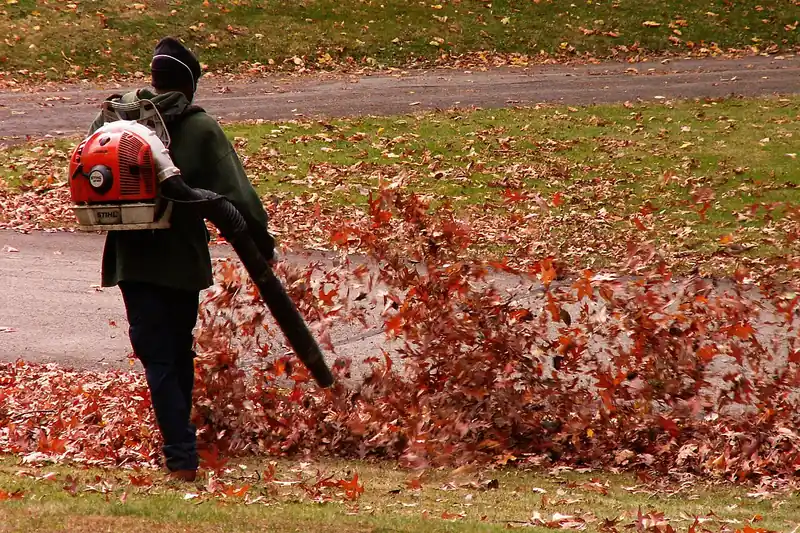
The calendar question every owner asks, how often should gutters be cleaned, has a short answer and a useful one. The short answer is twice a year. The useful answer is twice a year timed to what your roof actually collects: a spring clean after the seed pods and blossom fall, and a late fall clean after the leaves are down. Houses under heavy tree cover need more. Houses with bare skies need less. This guide helps you place your own home on that scale honestly.
Most homes need a clean twice a year, in spring and in late fall after the leaves drop. Homes under dense oak, maple or pine cover often need a third visit in mid summer. Homes with few trees nearby can stretch to once a year, in late fall, with a spring check from the ground.
A typical home sits under a few trees, sheds a normal load of leaves and seed debris, and does fine on the two visit rhythm. The spring visit clears the spring drop: seed pods, catkins, blossom and the grit washed off the roof by winter storms. That load is easy to underestimate because it looks light, but it mats into a dense layer that holds water against the metal and blocks downspout openings early.
The late fall visit is the big one. It waits until the trees over the roof are bare, then clears the full leaf load before winter. A system that goes into the cold months empty drains melt water as it should. A system that goes in full holds that water, and in freezing weather the standing load turns to ice that pries at seams and hangers. Timing the fall visit after the drop, not on the first cold weekend, is the single most valuable habit in this whole schedule.
Count what hangs over your roof, not what grows in your yard. A maple whose canopy covers half the roof can fill a channel on its side of the house in one windy week of fall. Pines drop needles all year, and needles slip past most guards and mat flat in the channel. Oaks drop leaves late and also shed catkins in spring, loading both visits.
Storms move the schedule too. After a major wind storm, a quick check for branches and a sudden leaf dump is worth it on any home, whatever the calendar says.
A proper visit is more than scooping leaves. The channel is cleared by hand and blower, the downspouts are flushed with water until they run clear, and the whole system is rinsed so the state of the metal and sealant can be seen. Slope and hangers get a check while the ladder is up, because a clean channel hung at the wrong slope, short of about 1/4 inch of fall per 10 feet, still ponds water. Debris should be bagged and taken away, not blown into the beds below.
If you hire the job out, the gutter cleaning service page lists what a visit covers and the published price. Photos before and after are part of a trustworthy visit: they prove the channel and downspouts are clear, and they catch small faults, a weeping corner or a loose hanger, while they are still cheap to fix.
A full channel overflows in every hard rain. That water soaks the fascia board and the soil by the foundation, season after season. Standing water and wet leaves weigh far more than a dry system: water alone is about 8.3 pounds per gallon, and a long run holding pools and sludge pulls hard on its hangers. Sagging follows, the sag holds more water, and a cleaning problem turns into a repair problem.
The money comparison is simple. Cleaning runs $100 to $250 per visit, or $0.50 to $2.50 per foot. Treat that range as a guide: the actual price for your home is decided after it is measured, and given as an itemized written quote fixed before work starts, so a taller or steeper home is priced honestly rather than guessed. Two planned visits a year cost less than one emergency call out after overflow has already stained siding and rotted a fascia board.
Plenty of owners of one story homes clean safely with a ladder, gloves, a scoop and a garden hose, and the same calendar applies. Work along the channel, move the ladder often instead of leaning, and flush each downspout until it runs clear. If a downspout stays blocked after flushing from the top, the elbow at the bottom is the usual plug point.
The honest limit is height and roof pitch. Two story work, steep roofs and slippery surfaces are where the job stops being a chore and starts being a risk. There is no saving in a fall. Owners who clean the ground level runs themselves and hire out the high runs are making a sensible split, and the hired visits still follow the spring and late fall rhythm.
Look up at your roofline and list the trees whose branches reach over it. Mark a spring date after the seed drop in your area and a late fall date after the last of those trees is bare. If pines or a full canopy cover the roof, add a mid summer date. Write the signs of a full system on the same note: overflow in rain, streaked siding, plants in the channel, a downspout gone quiet. When you see a sign between visits, move the next clean up. That is the whole system: a rhythm set by your trees, checked by what the house shows you.
See what a cleaning visit includes, from downspout flushing to before and after photos.
See prices and detailsWhich faults a repair fixes, which faults mean starting over, and how to compare the two quotes.
Read the guideWhat a working system protects, from fascia boards to foundations, and when a house can skip one.
Read the guideThe questions that sort careful crews from pressure sellers before you sign anything.
Read the guideBrowse every guide on the Gutter Cleaning HQ blog, grouped by topic.
Wait until most leaves are down, which for most areas means late fall rather than the first cold week. Cleaning too early lets the last third of the leaf fall refill the channel before winter. If maples and oaks over your roof drop at different times, clean after the later tree finishes.
Guards slow the build up, they do not stop it. Fine grit and seed husks wash through screens and settle in the channel, and pine needles mat on top of mesh. Guarded homes can often stretch the interval, but the system still needs a check and a rinse on a regular cycle.
Some homes can: few trees nearby, a one story roof, and a fall clean timed after the leaves drop. The risk is the spring load of seed pods and blossom sitting in the channel through the wettest months. If you try once a year, pick late fall and inspect again in spring.
Watch in rain. Water spilling over the edge, a downspout that drips instead of flowing, or one corner staying silent in a downpour all mean the system is full. From the ground you can also look for plants sprouting in the channel, streaks on the siding and sagging runs.
Book the spring and late fall visits on a standing schedule, adjusted for your trees, and get photos after each one so you can see the system is clear.
Call +1 (888) 295-0648