Service
Gutter Installation Service
Full runs fitted to your roofline, with the price set out in an itemized written quote before work starts.
See prices and detailsWhy one light metal became the default choice on American homes, where it falls short, and what to check before you order it.
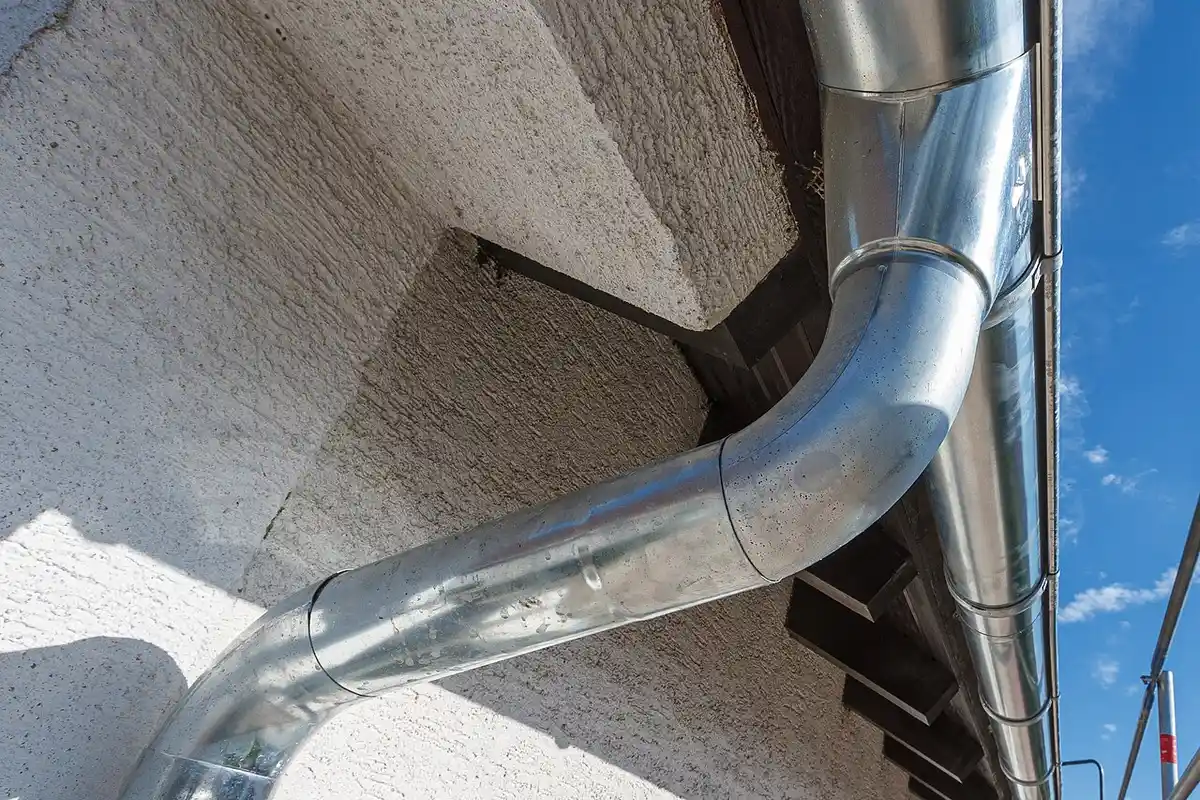
Photo: 002 2011 08 15 Regenwasserableitung by Friedrich Haag, via Wikimedia Commons, CC BY-SA 4.0.
Walk down almost any American street and most of the channels under the roofs are aluminum gutters, and that is not an accident. The metal is light enough for one installer to carry a long run, it does not rust, it takes a factory color well, and it costs far less than copper or steel. This guide covers what the material does well, where it lets owners down, and how to read a quote for it.
Aluminum is the most common gutter material in the country because it balances price, weight and weather resistance better than any rival. It does not rust, it comes in many factory colors, and long runs can be formed on site. Its main weaknesses are dents from ladders and slow corrosion in salty air.
Weight is the first reason. A long aluminum run is easy to lift, hold against the fascia and fix without a big crew, which keeps fitting time and labor cost down. The second reason is rust. Steel channels depend on a coating to keep rust away, and once that coating is scratched through, the metal starts to thin. Aluminum forms its own dull surface layer and simply does not rust, so a run in a rainy state is not living on borrowed time.
The third reason is choice. The metal bends cleanly in the forming machine, so it is sold in the popular K style profile, in half round, and in box shapes for larger roofs. It also takes paint and baked on enamel finishes, so color matching to trim is rarely a problem. Put together, an owner gets a system that fits the house, matches the paintwork and asks little in return.
Thickness is the detail most quotes leave vague, and it is worth asking about. Common coil stock is sold in two main gauges, often listed as .027 inch and .032 inch. The thicker stock costs a little more and stands up better to ladders, ice and falling branches. On a shaded, quiet roof the thinner stock is usually fine. On a tall home where every repair means a long ladder climb, the thicker metal is money well spent.
Runs reach your home in two ways. Sectional pieces come in set lengths from a store shelf and are joined with connectors and sealant at each joint. Seamless runs are rolled out of a coil by a machine in the installer truck, cut to the exact length of your wall, with joints only at corners and outlets. The metal is the same in both cases. The difference is the number of joints, and every joint is a place that will one day need fresh sealant.
Sizes follow the roof. Five inch K style is the standard fit for most homes, and six inch handles bigger roof areas or steeper pitches that send water down fast. Your downspouts should match the channel size, since a wide channel feeding a small outlet will still back up in a storm.
The closest rival on price is plastic, and the pairing homeowners ask about most is (vinyl or aluminum gutters) for the same house. Vinyl wins on shelf price and never rusts or dents, and a handy owner can snap a short run together in an afternoon. It loses ground in cold winters, where it turns brittle, and in hot sun, where long runs can sag between hangers and joints can work apart.
Aluminum costs more up front and asks for more care around ladders, but it holds its shape in heat and cold, keeps its color longer and can be formed into one long run with no mid wall joints. For a home you plan to stay in, most installers steer owners toward the metal. For a shed, a rental on a tight budget or a short run you plan to replace in a few years, vinyl can be the sensible buy. Neither answer is wrong. The roof, the climate and the time you plan to keep the house should decide it.
Full installation and replacement is published at $12 to $25 per foot installed, and at $2,200 to $5,000 per home for typical houses. Where your home lands in that band depends on total length, the number of corners and downspouts, the thickness of the coil and how tall the work is. A one story ranch with two long straight runs sits near the bottom. A tall home with many short runs, miters and outlets sits near the top.
Treat any published range as a guide only. The actual price for your home is decided after the roofline is measured, and it should come back to you as an itemized written quote that is fixed before work starts, with the gauge, color and downspout count listed line by line. Our gutter installation service page sets out what a fitting visit includes, so you can compare any quote against it. If a quote for 150 feet of this metal comes back far below every rival, ask what gauge and how many hangers it assumes, since thin stock and wide hanger spacing are the two easiest places to cut a price.
The honest weakness of this metal is that it dents. A ladder rested on the edge, a falling branch or a basketball stand tipping over can crease a run. Small dents are cosmetic. A deep crease can hold water and start a standing puddle inside the channel, so it is worth straightening or replacing that section. Hangers spaced close together help the run keep its line under snow and ladder knocks.
Care is otherwise light. The channels need the same twice yearly cleaning as any system, a check of the sealant at corners every few years, and a hose rinse if your street trees drop sticky sap. There is no rust treatment, no oiling and no special cleaner to buy. That low upkeep, added to the fair price, is exactly why this material became the default.
Full runs fitted to your roofline, with the price set out in an itemized written quote before work starts.
See prices and detailsThe low cost plastic option rated plainly, including where it cracks, sags and earns its keep.
Read the guideEvery common profile and material side by side, so you can shortlist before you price anything.
Read the guideThe flat backed profile on most houses, its sizes, and when a different shape serves you better.
Read the guideBrowse every guide on the Gutter Cleaning HQ blog, grouped by topic.
No. Aluminum does not rust. It can corrode slowly in salty coastal air, where a white powdery film forms on the surface, but it does not flake and thin the way rusting steel does. A rinse once or twice a year helps homes close to the sea.
It can. The metal is light and fairly soft, so a ladder leaned hard against the edge can leave a dent or a crease. Use a ladder standoff that rests on the roof or the wall instead, and never rest a ladder foot inside the channel itself.
Yes. Factory finishes come in many colors, and a sound run can also be painted after a wash, a light sand and a metal primer. Paint sticks poorly to a chalky or greasy surface, so the prep work matters more than the brand of paint you buy.
Seamless runs have no joints along a straight wall, so there are fewer places to leak. Sectional pieces are easier for a homeowner to fit or swap one at a time. Both use the same metal, so the choice is about joints and fitting, not about the material itself.
Tell us your home size and roof shape and get an itemized quote with the metal, thickness and length spelled out before you commit.
Call +1 (888) 295-0648